When you buy a home on a well, test the water before you close: at minimum for total coliform bacteria, nitrates, pH and total dissolved solids, plus hardness and iron, which are common in the Shenandoah Valley. A certified lab test covers the health side, and a basic in-home test shows the everyday problems like hardness, iron and odour, so you know what treatment the house needs and can factor it into your offer.
Why a Well Test Belongs in Your Home Purchase
On city water, a utility tests the supply for you. On a private well, nobody does. The water quality is the owner's job, and once you close, that owner is you.
A home inspection usually looks at the house, not the water. Some inspectors offer a water test as an add-on, and some lenders ask for one, but neither is a given. If no one has mentioned it, ask your agent to make a water test part of your inspection period, so you have time to act on the results.
Testing before you close gives you three things:
- Peace of mind that the water is safe to drink.
- A clear picture of what treatment the home needs, from a softener to a UV system.
- Room to negotiate, while you still can, if the water needs work.
What to Test For
The Health Tests (Lab)
The CDC advises well owners to test their well water at least once each year for:
- Total coliform bacteria. Its presence suggests surface water may be getting into the well. If it shows up, the lab usually checks for E. coli too.
- Nitrates. These come from fertilizer, manure and septic systems. They are a particular concern for infants.
- Total dissolved solids (TDS). A general measure of what is dissolved in the water.
- pH. Low pH water is acidic and can corrode copper pipes and fixtures.
Bacteria and nitrate results need a certified lab. The sample has to be collected in the lab's sterile bottle and delivered on time, so ask the lab for its instructions before you sample.
The Everyday Tests (In-Home)
These are the things that decide how the water looks, smells and treats your plumbing:
- Hardness, which leaves scale and spots and shortens the life of a water heater.
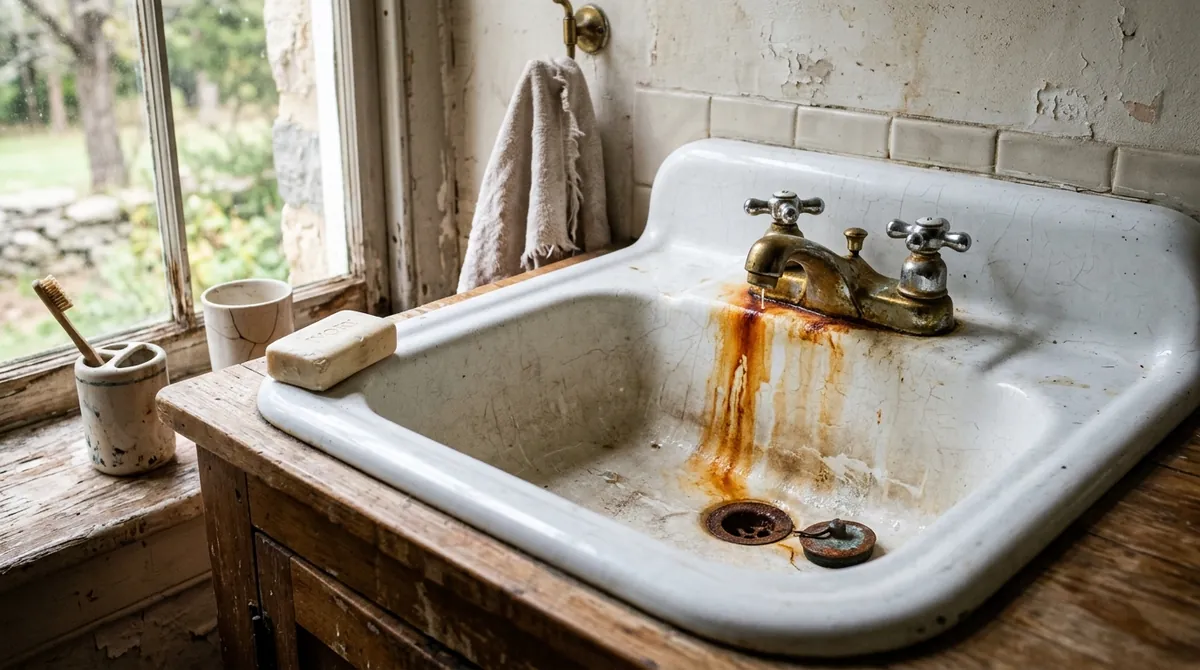
- Iron and manganese, which leave orange, brown or black stains.
- Sulfur, the rotten egg smell.
- pH, again, because it decides how treatment is set up.
What Valley Wells Usually Show
Every well is different, even on the same road. Still, some results come up again and again in Rockingham County. A Virginia Cooperative Extension study of household water in Rockingham County named iron and manganese, hardness, total dissolved solids and bacteria as the county's main household water problems.
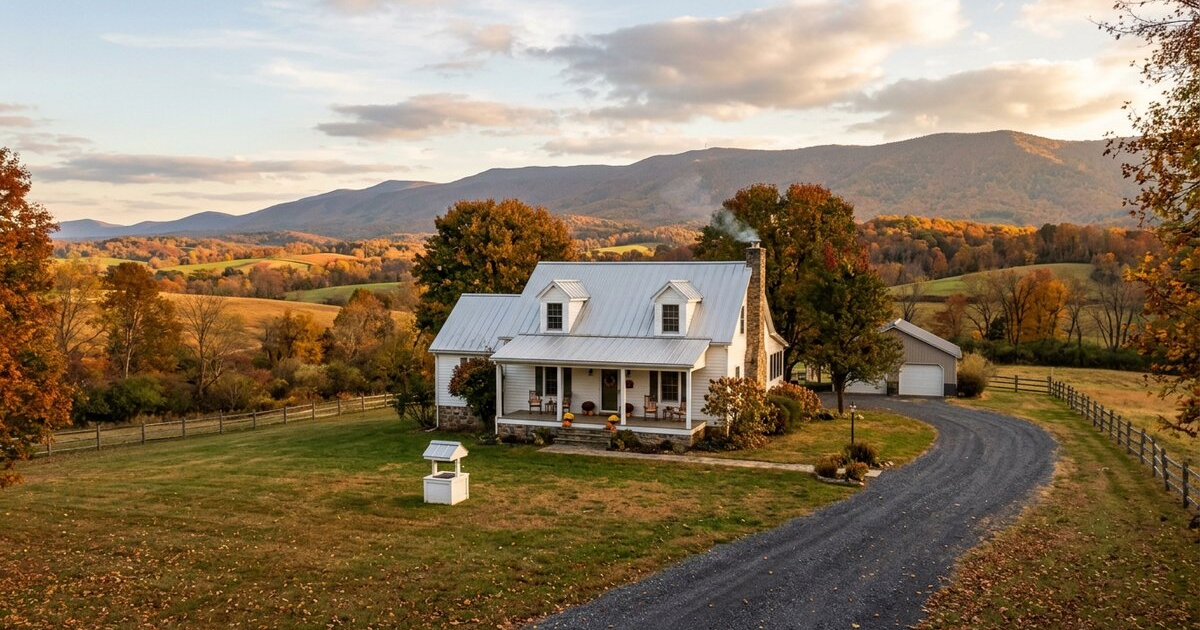
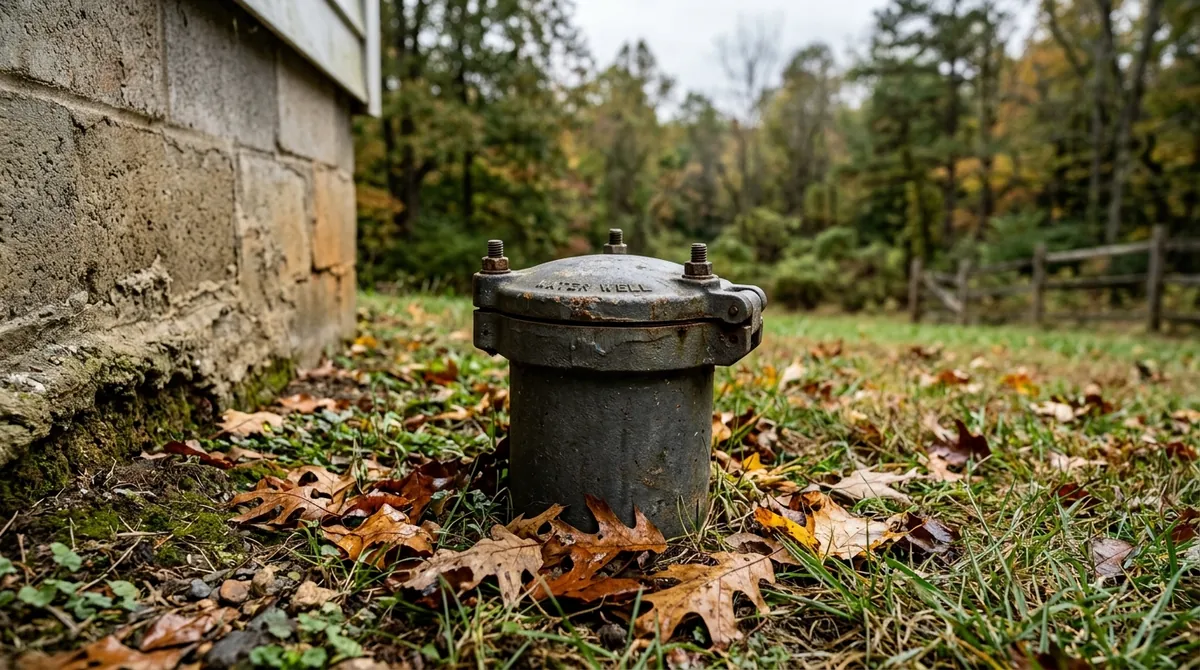
That fits what we see. Much of the Valley sits on limestone, which makes water hard. Iron is common in wells around Linville, Broadway and Timberville. And older dug wells and springs, often found on farm properties, are more open to surface water and bacteria.
So if you are buying in the Valley, expect hardness, and don't be surprised by iron. Neither is a reason to walk away. Both are reasons to know before you close.
Look at the Equipment the House Already Has
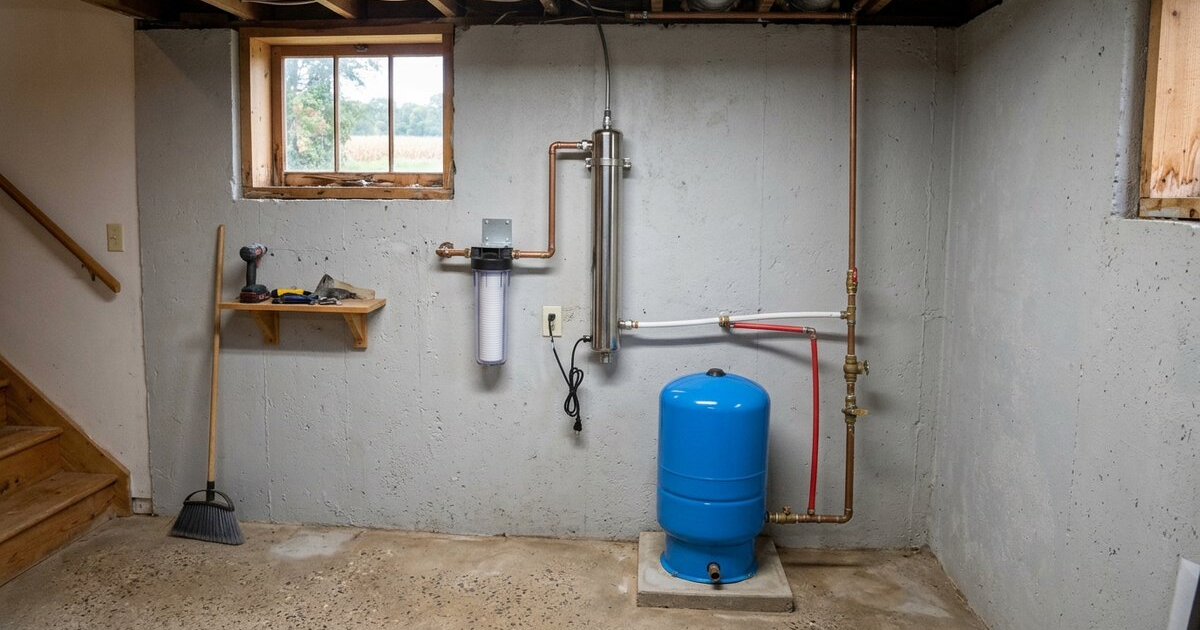
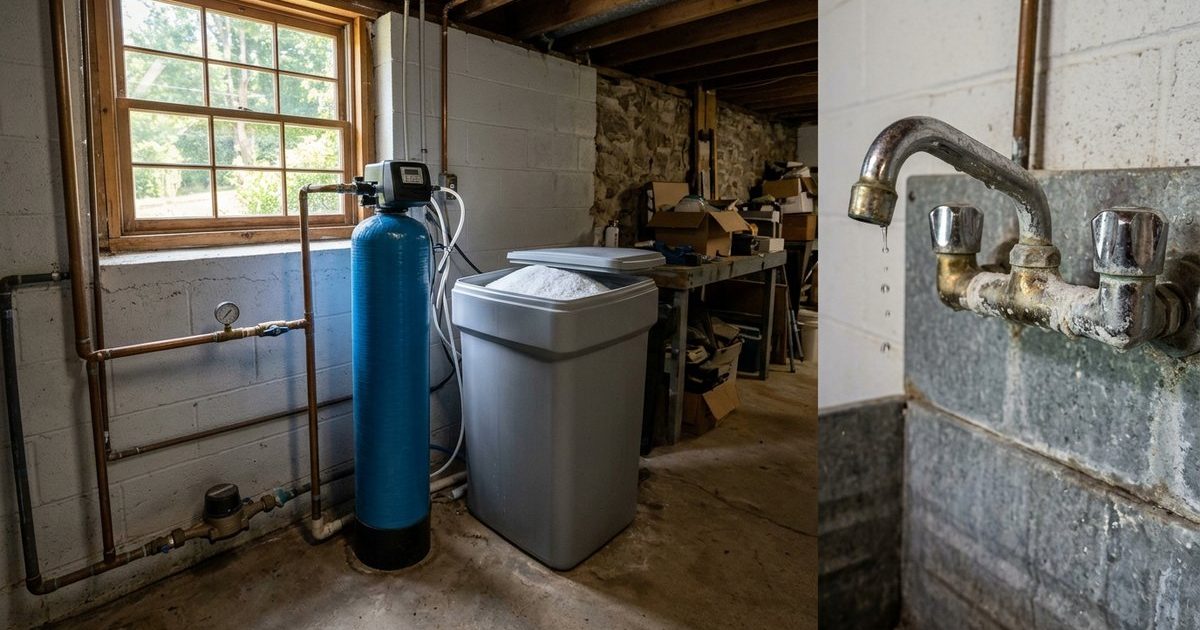
Many Valley homes already have some treatment in the basement or crawlspace. Before you close, take a look and ask the seller:
- What is installed? A softener, an iron filter, a sediment filter, a UV system, a reverse osmosis unit at the kitchen sink?
- How old is it, and who services it? Ask for any service records.
- Is it working? A softener with no salt or a UV unit that is unplugged is not doing its job.
- Does it fit the water? A softener alone won't handle bacteria. A UV unit won't remove iron.
A water test on the treated water, at a kitchen tap, shows whether the existing system is keeping up. A test on the raw water, before treatment, shows what it is up against.
If the Results Come Back With Problems
Most results have a clear fix.
| Result | What it usually means | Common fix |
|---|---|---|
| Coliform or E. coli present | Surface water may be reaching the well | Inspect and repair the well, shock chlorinate, retest, often add UV |
| High hardness | Limestone groundwater | Water softener |
| Iron, manganese or sulfur smell | Common in Valley wells | Iron or sulfur filter, often ahead of a softener |
| Low pH | Acidic water | Acid neutralizer |
| High nitrates | Fertilizer, manure or septic nearby | Talk to the health department; reverse osmosis at the drinking tap is one option |
If a fix is needed, get it priced during your inspection period. Then you and your agent can decide whether to ask for a repair, a credit or a price change.
Our guide to choosing a well water treatment system explains each of those stages, and our UV water purifier guide covers the bacteria side.
Keep Testing After You Move In
A test before closing is a snapshot. The CDC also recommends testing when the water's taste, colour or smell changes, after flooding, after any work on the well, and when someone in the house becomes pregnant or a child moves in. Put a yearly test on your calendar along with it.
How Our Free Water Test Fits In
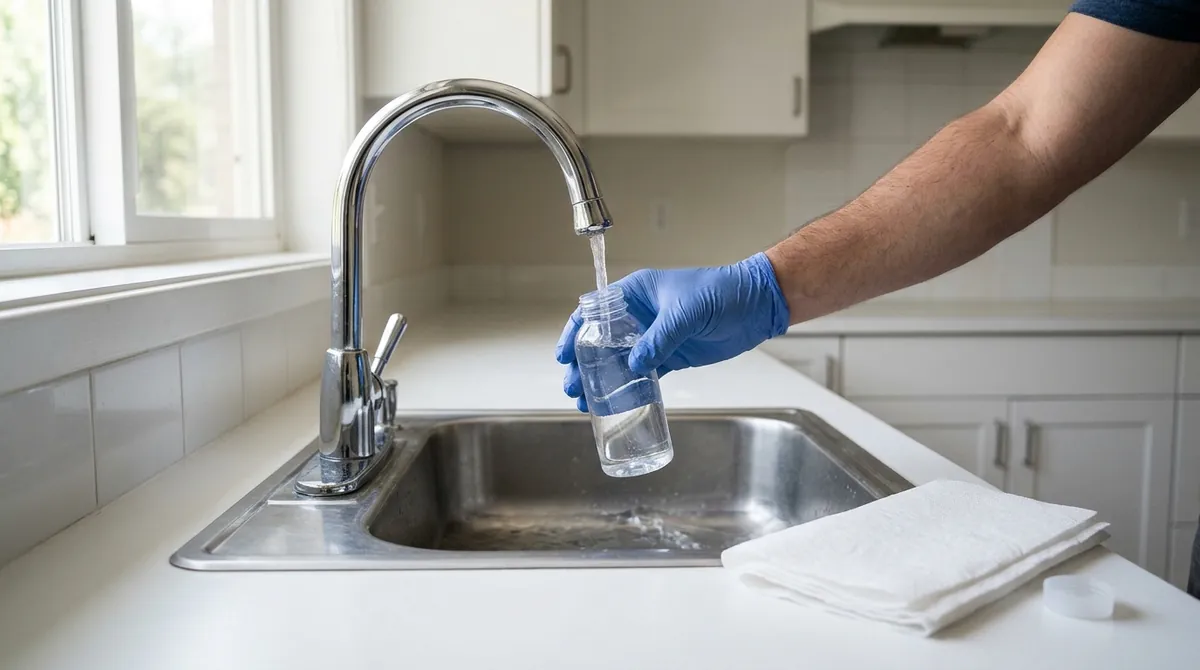
Pure Water Pure Air offers a free basic water test in your home, from our shop in Linville. Here is how it works:
- Book a weekday visit. Call us Monday to Friday, 8am to 5pm.
- We test at the tap. We check the everyday problems on site: hardness, iron, pH and more. It is a basic test, not lab-certified, so it doesn't replace a certified lab test for bacteria or nitrates.
- We explain the results. You see the numbers while we are there, and we explain what they mean.
- You get your options. If the water needs treatment, we tell you what we'd install and why, and you decide.
For a buyer, that means you can know what the house needs, and roughly what the fix involves, before the inspection period runs out. Read more on our free in-home water testing page.
Buying a Home on a Well in the Valley?
We test water across Harrisonburg, Bridgewater, Dayton, Broadway, Elkton and the rest of the Shenandoah Valley. Book your free basic water test early in your inspection period so there is time to act on the results.
Call (540) 830-7963 or book a free water test. We are open Monday to Friday, 8am to 5pm. Leave a message after hours and we will call you back.